
"Membership bodies are not software houses"
Rich Gott, founder of the MemberWise Network
For a long time, there was a prevailing belief in the membership sector: “Our needs are unique, so our software must be unique.”
This mindset led countless organisations down the expensive, exhausting rabbit hole of building bespoke technology. They hired developers, customised open-source platforms beyond recognition, and effectively tried to become tech companies.
According to both Rich Gott, founder of the MemberWise Network, and the “Future of Membership” report, this era is ending. The most successful organisations are abandoning the “build-it-yourself” model in favour of integrated, industry-standard ecosystems.
1. The “Software House” Hangover
Rich Gott mentioned in the Learn with purpose podcast: “Membership bodies are not software houses.”
In his analysis of the UK’s top 100 membership organisations, Gott notes a decisive shift. We are seeing a move away from bespoke solutions toward “industry standard platforms”. Adoption of these standard products has jumped from around 60% to roughly 80%.
The reason is simple: when you build your own platform, you own the maintenance, the bugs, and the roadmap. When you buy an industry-standard product, you benefit from a provider who is constantly investing in their solution to keep it competitive. As Gott argues, using standard tech allows organizations to focus on their actual mission, delivering value to members rather than managing a development team.
2. The “Spaghetti” Problem
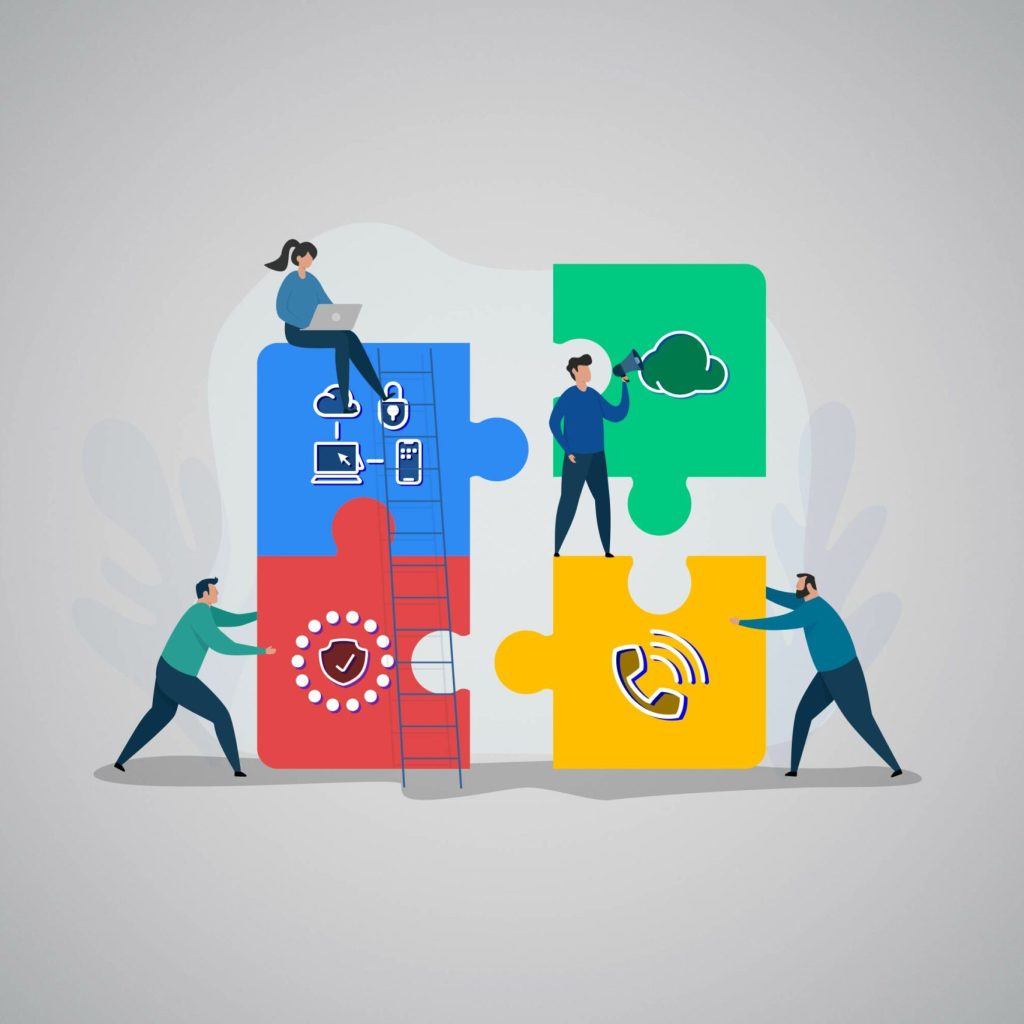
When organisations don’t use integrated standards, they often end up with what the “Future of Membership” report calls the “Spaghetti Problem”: a tangled mess of disconnected tools where the email system, the event platform, and the database don’t speak to one another.
This isn’t just an IT inconvenience; it is a strategic disaster. It creates data silos where you might know that a member attended an event, but not that they also signed a petition and lapsed on their renewal. You are interacting with fragments of a person, not the whole member.
Without integration, you cannot see the full picture. The report highlights that effective organisations must “connect systems for email, events, payments, and campaigning in a way that reflects how people engage”. When these systems are siloed, you are forced to guess what your members want. Conversely, when the “spaghetti” is untangled, you gain a “holistic view of member interests and past behaviour,” allowing for “tailored, personalised pathways and communications”
"When systems are disconnected, you’re working blind. Integration allows you to see the whole member journey, connect learning with engagement, and make every interaction count. It transforms scattered tools into a coherent experience that drives adoption, retention, and real value."
Luke Tillotson, Titus
3. Integration Is the Strategy
The report emphasises that technology must “serve the member experience, not the other way around”. When systems are integrated, technology fades into the background, and the relationship comes to the forefront. You stop worrying about importing CSV files and start focusing on “Ladders of Engagement” – moving a member seamlessly from a low-barrier digital action (like a petition) to a deeper commitment (like attending a training session).
In the podcast, Richard notes that post-COVID, the organisations winning are those that use a “sophisticated blended approach”. They use tech not just to deliver content, but to “signpost relevant content” and personalise the journey. This level of sophistication is almost impossible to achieve if your data is trapped in three different legacy systems.
4. In Practice
"This isn’t just a theoretical trend, it’s something we’re seeing play out in real projects. Compared to just a few years ago, it’s now rare for us to work on an initiative that doesn’t involve some element of integration. From professional bodies to sporting associations, the demand for connected systems is clear."
Luke Tillotson, Titus
To meet this need, we’ve developed Titus Connect, a tool designed to make integration seamless. It allows CRMs, membership systems, BI tools, LMSs and other platforms to communicate effortlessly, giving organisations a single view of each member and enabling personalised, data-driven engagement.
As the sector moves from an era of siloed suppliers toward fully connected digital ecosystems, we’re committed to supporting organisations through this transition. With Titus Connect, integrated systems aren’t just more efficient, they unlock richer, more tailored experiences that put the member journey at the centre.
The Takeaway
If you are currently sitting in a meeting discussing a custom build for your new website or CRM, pause. The data suggests that the “unique” needs of your organisation are likely solved better, faster, and cheaper by integrating existing tools than by building new ones. Your members don’t care if your backend is custom-coded; they care if you know who they are.
Key Action: Audit your current tech stack. Are your systems talking to each other? If your email platform doesn’t know what your database knows, you aren’t building a community – you’re just building lists.
Luke Tillotson
Luke Tillotson is Head of Sales at Titus and a specialist in learning for membership organisations. He brings extensive experience supporting associations, professional bodies, and member-led organisations to turn digital learning into a meaningful driver of engagement, retention, and value.
Luke understands the specific challenges membership organisations face, from increasing platform adoption and demonstrating learning impact to aligning education with wider commercial and membership goals. He works closely with teams to identify pain points, shape practical learning strategies, and deliver solutions that produce measurable outcomes.