


Membership professionals are all saying the same thing: “Our audience is growing, we are busier than ever, but the revenue just isn't adding up.”
And they’re right.
The latest Influence 100 Financial Benchmarking Report from the Memberwise Network drops a statistic that stops you in your tracks: across the top 100 UK Membership Organisations, the sector has successfully recruited 480,000 new members this year, yet total membership income has actually dropped by £199 million.
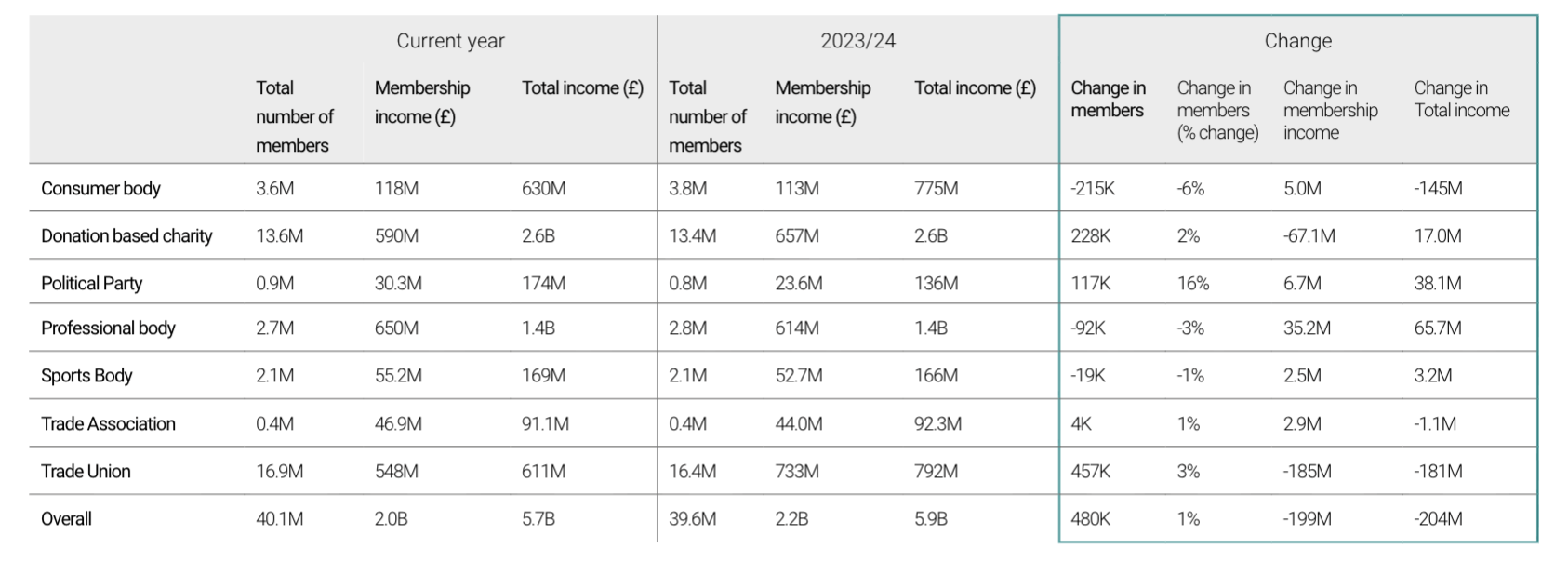
Data source: Influence 100 Financial Benchmarking Report from Memberwise
But here’s what’s crazy: The same financial pressure that is squeezing your margins? It’s also your best opportunity to leapfrog the competition.
If you’re like most Learning Managers, you’ve seen the spreadsheets and you know it’s been pretty bleak. Expenditure is outpacing income for the first time in six years.
So you’re a learning professional, your margins are down the drain, and you’re wondering, “What can learning teams do?”
If you’re willing to take action, this is the best time ever to be in L&D. You have tools at your fingertips – specifically your Learning Management System (LMS) – that used to be just for “hosting courses.” Now, they are the engine for your survival.
We call this the Commercial Learning Playbook. It’s how you move from a “library” model to a revenue-generating powerhouse.

The Balance Sheet Reality Check
Before we get to the fix, let’s look at the broader financial landscape – it paints a challenging picture. For the first time in six years, the sector is officially spending more than it brings in. While you were busy successfully recruiting those 480,000 new members, the cost to serve them jumped to £314 per head – leaving the average organisation with a net loss of £12 for every single member on the books.
The result? A massive £543m hole burned into the sector’s reserves, leaving nearly half of all organisations (45%) operating at a loss. This is the “Membership Paradox” in black and white: you are doing more work for more people, but your bank balance is moving in the wrong direction.
Let’s dive into the three steps of implementing the Commercial Learning Playbook to fix this.
1. Diversify: Turn Your LMS into an Open Shop
The first thing you want to do is unlock your doors.
The report explicitly states that “membership organisations must generate income from other sources” to survive. The old way was keeping everything behind a login screen for members only. The new way? Treating your LMS as a global storefront.
We saw this firsthand with the Chartered Institute of Building (CIOB).
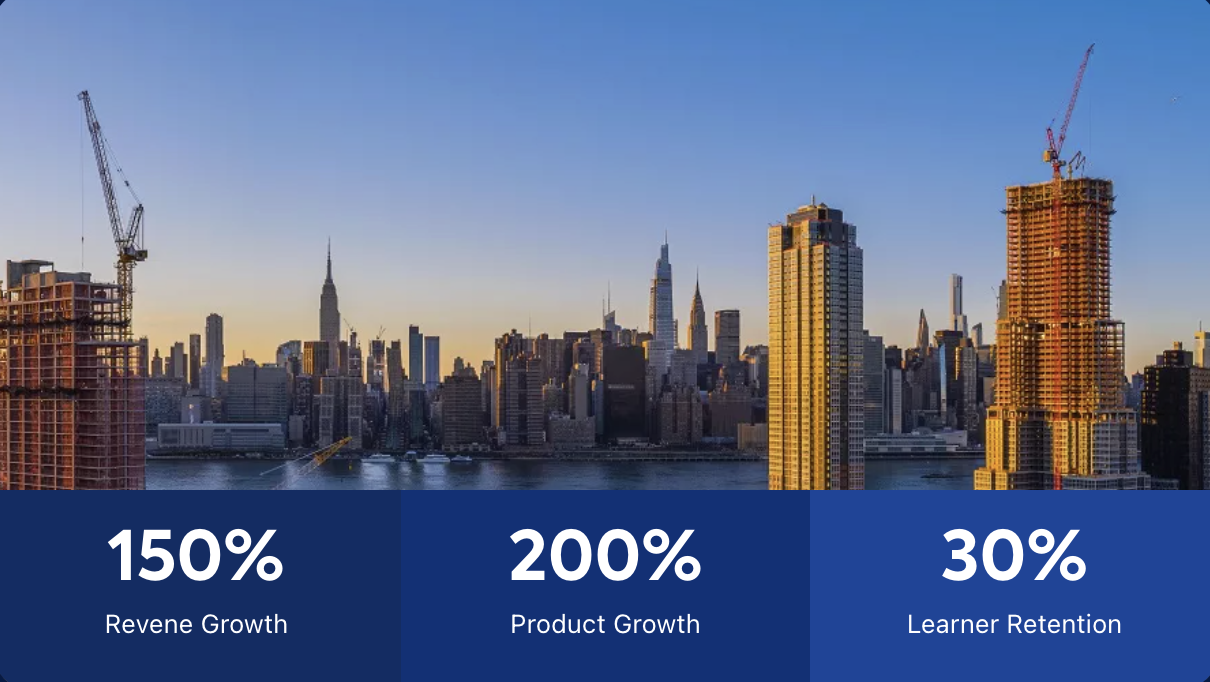
Before partnering with Titus, they had a “coded-off community”. Their content was invisible to the wider world. By flipping the script and using Moodle Workplace to create a seamless e-commerce experience, they didn’t just tweak their revenue; they exploded it.
Look at these numbers since launching their new platform strategy, CIOB has seen 150%+ revenue growth from their learning. 90% of their course buyers are now non-members.
They stopped relying solely on subscriptions and started selling value to the entire market.
2. Engage: Make Every Member Feel Like Your Only Member
Next, you need to stop the churn.
The report reveals a shocking gap: only 30% of membership bodies have a formal member engagement strategy. In a world where retention is everything, that is a critical vulnerability.
You might be thinking, “We send newsletters.” But you can do a lot better now. The history of membership has largely been about broad communication. The future is about personalised pathways.
"The days of the 'passive library' are over. The membership bodies we see thriving today are those using their LMS to create active, personalised pathways. If your platform isn't recommending the next step in a member's career or automating their CPD logging, you aren't just missing a revenue opportunity; you're giving them a reason to leave. Members don't just want content; they want a roadmap for their professional lives."
Luke Tillotson, who leads our membership partnerships at Titus, puts it perfectly
CIOB proved this works. By moving away from a “glitchy” manual system to a frictionless digital experience, they achieved a 30% returning customer rate.
3. Evolve: Efficiency That Pays for Itself
Finally, you need to automate to survive.
The most common resistance to upgrading an LMS is budget fear. But the sector is voting with its wallet. Investment in digital infrastructure (intangible fixed assets) has risen to £135m because organisations realise they can’t afford not to invest.
The report highlights that fully integrating and automating systems can lead to a 35% increase in capacity.
This is where the magic happens. When you integrate your LMS with your CRM, automating the CPD logging, the onboarding, and the certification, you aren’t just saving time. You are freeing up your team to focus on strategy rather than admin.
The Opportunity is Ready. Are You?
When a big shift in the economy happens, it creates massive opportunities for those ready to adapt. The “Membership Paradox” is real, income is down despite member growth but it doesn’t have to be your reality.
Organisations like CIOB have shown that by pivoting to a commercial, open-market approach, you can triple your catalogue and your revenue.
If you’re willing to take action and treat your LMS as a commercial asset rather than a cost centre, it’s going to be impossible not to succeed. The opportunities are just that big.
Luke Tillotson
Luke Tillotson is Head of Sales at Titus and a specialist in learning for membership organisations. He brings extensive experience supporting associations, professional bodies, and member-led organisations to turn digital learning into a meaningful driver of engagement, retention, and value.
Luke understands the specific challenges membership organisations face, from increasing platform adoption and demonstrating learning impact to aligning education with wider commercial and membership goals. He works closely with teams to identify pain points, shape practical learning strategies, and deliver solutions that produce measurable outcomes.