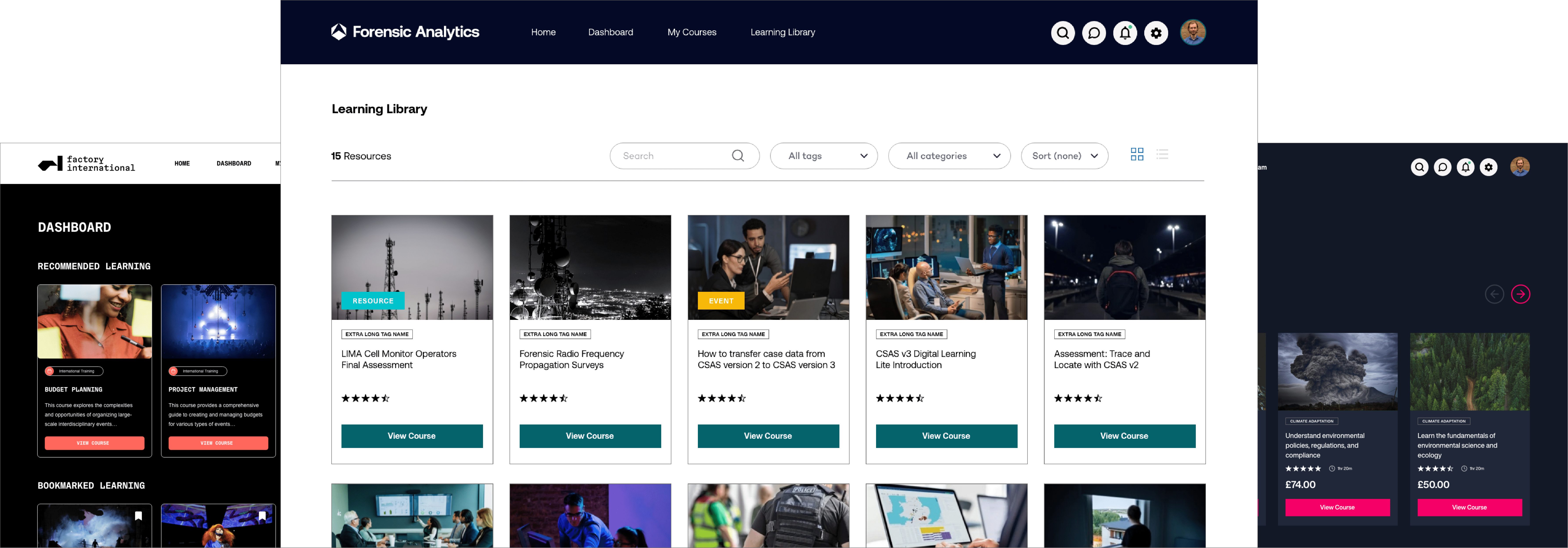



A Virtual Learning Environment (VLE) is a secure, web-based platform designed to deliver educational materials, manage course administration, and facilitate seamless communication between educators and students. By integrating tools for assessment, resource sharing, and collaboration, a VLE creates a comprehensive digital campus that mirrors and enhances the traditional physical classroom experience.
In the modern digital learning landscape, a VLE acts as the central hub for the digital learning experience. Rather than relying on fragmented emails or physical handouts, a VLE provides a single “open learning ecosystem” where educational content is organised, tracked, and accessible from any location. For many institutions, the VLE is the foundational layer of their education technology partners’ strategy, ensuring that simplified learning is available to every student, regardless of their physical proximity to a campus.
The Purpose of a VLE in Modern Education
The primary purpose of a VLE is to provide a structured, scalable environment for teaching and learning that transcends the limitations of a physical building. As higher education institutions, universities, and schools adapt to an increasingly online world, the VLE has evolved from a simple file-storage repository into a sophisticated engine for pedagogical innovation.
Empowering Higher Education and Schools
For higher education institutions, the VLE is essential for managing the complexity of thousands of students across diverse departments and degree programmes. It automates course tracking and course administration, allowing faculty members to focus on instruction rather than administrative paperwork. In primary and secondary schools, a VLE provides a safe, moderated environment where younger learners can develop digital literacy while accessing interactive educational content.
The Shift to Synchronous and Asynchronous Learning
One of the most significant shifts in the digital learning landscape is the move toward a hybrid model. A VLE supports both:
- Synchronous Learning: Real-time interaction via video-conferencing integrations and live chat, simulating the immediacy of a lecture theatre.
- Asynchronous Learning: Providing students with the flexibility to engage with recordings, forums, and assignments at their own pace.
Creating a Unified Digital Campus
The ultimate goal of a VLE is to foster learning integration. By connecting various software tools—from plagiarism checkers to library databases—into one interface, the VLE ensures that the digital campus feels like a cohesive community. This is particularly vital for distance learning, where the VLE serves as the primary point of contact between the student and the institution.
Through a cloud-based VLE, institutions can also ensure that software upgrades are handled automatically, providing a consistent, high-quality experience that evolves alongside the needs of the modern learner.
Here is the next section of your article, focusing on the core functionalities of a VLE with a specific emphasis on Moodle’s industry-leading capabilities.
Key Features and Capabilities of a Modern VLE
To provide a truly effective digital learning experience, a VLE must go beyond simple document storage. Leading platforms like Moodle offer a suite of integrated tools designed to automate course administration and enhance student engagement.
1. Coursework Organisation and Management
The heart of any VLE is its ability to structure educational content logically.
- Centralised Resources: Educators can host everything from lecture slides and reading lists to interactive H5P content and embedded videos.
- Direct Learning Paths: Moodle allows teachers to design “restrict access” settings, ensuring students complete foundational modules before moving on to advanced topics—a key feature for maintaining consistency across a digital campus.
2. Advanced Learner Tracking and Reporting
One of the most powerful benefits of a VLE is the move from guesswork to data-driven instruction.
- Activity Completion: Moodle’s learner tracking allows both students and teachers to see exactly which tasks have been finished. A student’s dashboard provides a “Timeline” view of upcoming deadlines, while teachers can access detailed “Activity Completion Reports.”
- Identifying At-Risk Learners: Through built-in analytics, higher education institutions can identify students who haven’t logged in or are struggling with specific assessments, allowing for early intervention.
3. Assessment, Grading, and Motivation
A robust VLE simplifies the entire feedback loop.
- The Gradebook: Moodle’s Gradebook automatically aggregates scores from quizzes, assignments, and workshops. It supports “Marking Workflows,” allowing multiple tutors to grade different sections of a programme before releasing results simultaneously.
- Digital Badging: To boost engagement, Moodle supports badging—digital certificates or “Open Badges” awarded for reaching specific milestones. This gamification element is proven to increase motivation in both schools and professional training environments.
4. Device Compatibility and Accessibility
In today’s mobile-first world, a digital learning landscape must be accessible on the move.
- The Moodle App: Allows students to download materials for offline use and receive push notifications for forum posts or assignment reminders.
- Inclusive Design: Moodle is built to meet WCAG 2.1 AA accessibility standards, ensuring that users with different needs can navigate the software using screen readers or keyboard-only controls.
5. Software Integration and Communication
A VLE shouldn’t be an island. It acts as an open learning ecosystem through seamless software integration.
- Communication Tools: Integrated video-conferencing (like BigBlueButton, Zoom, or Teams) allows for live lectures, while forums and wikis encourage collaborative peer-to-peer learning.
- Learning Integration: Moodle connects directly with external library databases, plagiarism checkers (like Turnitin), and Student Information Systems (SIS), creating a simplified learning environment for administrators.
The Benefits of a Moodle-Powered VLE
Choosing a Virtual Learning Environment is a long-term investment. While many platforms offer a “one-size-fits-all” approach, a Moodle-powered VLE provides an open learning ecosystem that grows with your institution.
1. A Tailored Digital Campus
Because Moodle is open-source, it offers unparalleled flexibility. Higher education institutions can customise the interface to reflect their own branding, ensuring a consistent digital learning experience from the moment a student logs in. This isn’t just about aesthetics; it’s about creating a simplified learning environment where the navigation makes sense for your specific courses.
2. Seamless Learning Integration
A modern VLE cannot exist in a vacuum. Moodle excels at learning integration, allowing you to connect your digital campus to:
- Plagiarism Tools: Automated checks through providers like Turnitin.
- Student Information Systems (SIS): Ensuring enrolment data flows perfectly between your admin office and the classroom.
- Video-Conferencing: Embedding software like BigBlueButton or Microsoft Teams directly into course pages for synchronous teaching.
3. Cost-Effectiveness and Ownership
Unlike proprietary systems that charge per-user licensing fees, Moodle allows schools and universities to redirect their budgets toward pedagogy. You aren’t just paying for software; you are investing in a platform you truly own. Furthermore, with a cloud-based VLE setup, you eliminate the need for expensive local servers and manual software upgrades.
Why Work with a Certified Moodle Partner?
While Moodle is free to download, the most successful digital learning landscapes are built on expert foundations. As a Moodle Partner, we bridge the gap between “out-of-the-box” software and a world-class educational experience.
- Expert Implementation: We handle the complex software integration and migration from legacy systems.
- Security & Compliance: Ensuring your data meets stringent UK educational standards and GDPR requirements.
- Custom Development: Creating bespoke plugins for badging, advanced grading, or specific coursework organisation needs that standard platforms can’t match.
- Reliable Hosting: Our cloud-based VLE solutions ensure 99.9% uptime, so your digital campus never closes.
Implementing a VLE: From Strategy to Classroom
Successful adoption of a Virtual Learning Environment requires more than just installing software. To truly transform the digital learning landscape of an institution, a clear implementation strategy is essential. This ensures that the digital campus becomes an integrated part of daily academic life rather than a secondary repository for PDFs.
The Role of Education Technology Partners
For many higher education institutions, the technical barrier to entry can be high. This is where education technology partners play a critical role. A managed cloud-based VLE removes the burden of server maintenance and manual software upgrades from internal IT teams. By outsourcing the technical infrastructure, schools can focus on what matters most: the quality of the educational content and the student experience.
Onboarding and Professional Development
A VLE is only as effective as the educators using it. A strategic rollout includes comprehensive training on:
- Coursework Organisation: Teaching staff how to build intuitive modules that reduce cognitive load for students.
- Learning Integration: Showing how to embed third-party tools directly into the Moodle environment to create a simplified learning workflow.
- Assessment & Feedback: Training on advanced grading features and learner tracking to identify and support students who may be falling behind.
Future-Proofing Your Digital Campus
The digital learning experience is constantly evolving. As AI and immersive technologies become more prevalent, your VLE must be capable of software integration with new pedagogical tools. An open learning ecosystem like Moodle is uniquely positioned for this future, as its open-source nature allows for rapid development and deployment of new features.
By taking a strategic approach—combining robust software with expert partnership—universities and schools can build a resilient, scalable, and engaging digital learning landscape that serves students for years to come.
Choosing the Right VLE for the Future
A VLE is no longer an “optional extra” for schools and universities; it is the heartbeat of the modern educational content delivery system. Whether you are looking to improve learner tracking or simply provide a more cohesive digital learning experience, the right VLE will empower both your staff and your students.
By choosing a platform like Moodle and working with an experienced education technology partner, you ensure that your institution remains at the forefront of the digital learning landscape.