


Many membership organisations rely heavily on annual subscriptions. But in today’s economic climate, subscription income alone often isn’t enough to cover rising operational costs. Increasing fees can also risk member churn.
The solution isn’t necessarily to charge more, it’s to create additional value that members are willing to pay for.
One of the most effective ways to do this is by turning your learning programmes into a sustainable revenue stream.
Drawing on insights from our Learn with Purpose podcast conversation with Richard Gott and our own experience working with membership organisations, here’s a practical guide to making it work.
1. Treat Learning as a Separate Revenue Stream
Instead of bundling everything into membership fees, consider adopting a portfolio model.
This means:
- Core benefits remain included within membership
- Advanced courses, certifications, and assessments become optional paid products
- Premium learning is positioned as an upgrade rather than a replacement
This approach recognises that not all learning has the same value and not all members need the same level of support.
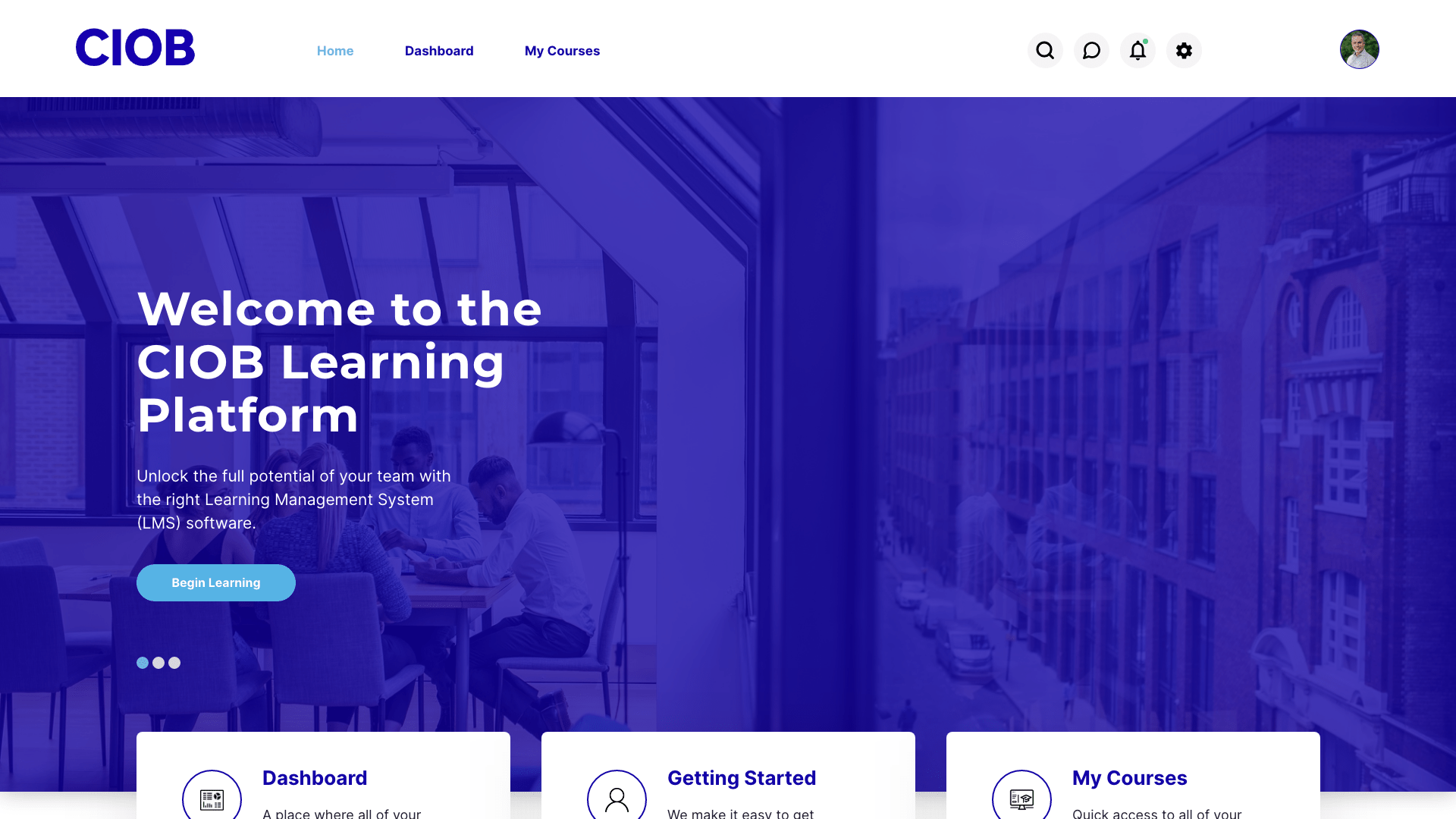
A strong example of this model can be seen in organisations like CIOB, where professional development pathways and certifications are structured as distinct, value-based offerings alongside membership.
Why this works
A portfolio model allows you to:
- Protect the perceived value of membership
- Generate new and diversified income streams
- Align pricing more closely with outcomes and professional progression
- Create clear pathways from engagement to investment
Rather than increasing subscription fees across the board, you give members choice and the opportunity to invest further as their needs grow.
Learning then becomes not just a member benefit, but a strategic revenue pillar.
2. Sell Outcomes, Not Content
Members don’t pay for hours of training, they pay for results.
Shift your focus from:
- Number of modules completed
- Time spent learning
- Attendance
To:
- Skills gained
- Performance improvement
- Cost savings
- Career progression
- Compliance confidence
Clearly communicate:
- What problem does this solve?
- What will the learner be able to do afterwards?
- How does this improve their professional practice?
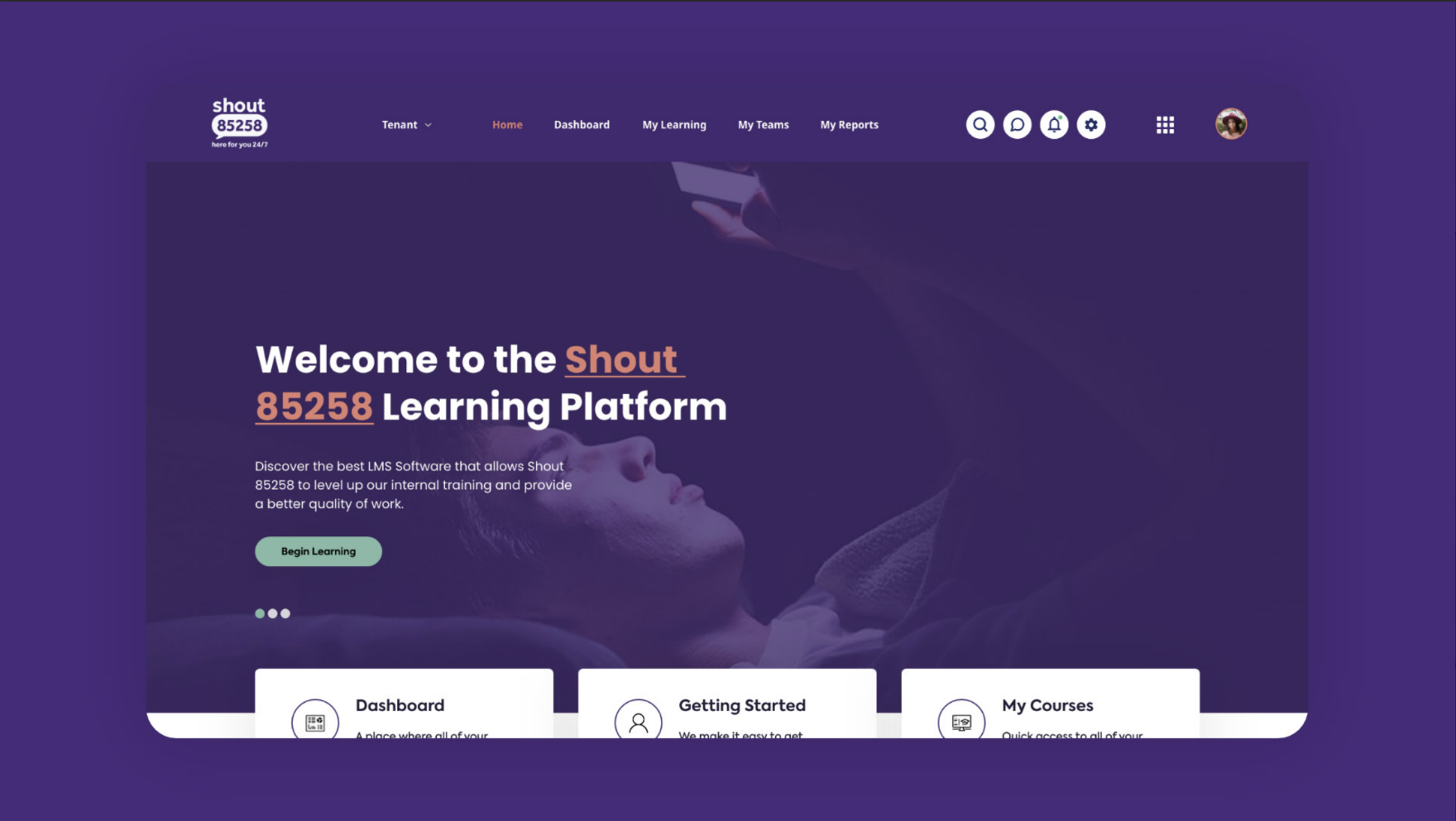
Inspo: This outcome-driven approach is similar to how the mental health crisis text service Shout designed its digital learning around real-world impact, ensuring volunteers felt confident and prepared to apply their training immediately.
When outcomes are clear, willingness to pay increases significantly.
3. Repurpose What You Already Have
You may not need to build new content from scratch.
Look at:
- Past webinars
- Conference recordings
- Toolkits
- Whitepapers
- Subject matter expert sessions
These can be:
- Updated
- Repackaged
- Structured into short courses
- Turned into certifications
Using AI tools can help organise, summarise, and format existing materials into structured learning pathways.
This reduces development cost while accelerating time to market.
4. Make Learning Bite-Sized and Flexible
Modern professionals want learning that fits around work.
To improve engagement:
- Break long courses into short modules
- Use micro-learning formats
- Keep assessments focused and practical
- Ensure the platform is fast and intuitive
Short, accessible content increases completion rates — and improves customer satisfaction.
5. Partner with Industry Sponsors
If budgets are tight, consider strategic partnerships.
Industry sponsors can:
- Fund content development
- Co-create research-backed materials
- Support events or certifications
In return, they receive:
- Brand visibility
- Access to a targeted professional audience
- Thought leadership positioning
The key rule:
Sponsorship must support education, not turn the course into advertising.
Clear governance ensures credibility is protected.
6. Invest in Scalable Technology
Membership organisations should focus on content and community — not building complex software.
Using industry-standard learning platforms can help you:
- Reduce maintenance costs
- Improve user experience
- Integrate with other systems
- Scale more easily
- Access regular updates and security improvements
Modern platforms make it easier to launch new revenue-generating programmes quickly and efficiently.
7. Think Global from the Start
Digital learning removes geographical barriers.
Once content is online, you can:
- Offer it to international members
- Create region-specific versions
- Localise content with translation tools
- Adapt pricing for different markets
AI-powered translation and localisation can significantly reduce expansion costs, opening up new revenue opportunities worldwide.
By treating learning as a strategic revenue stream rather than a simple member benefit, organisations can create sustainable growth while delivering greater value to their community. When you focus on outcomes, repurpose existing content, embrace modern technology, and explore partnerships and global opportunities, e-learning becomes a powerful way to strengthen both impact and income. The goal is not to move away from your mission, but to fund it more effectively for the long term.