


In the world of National Governing Bodies (NGBs) & Sporting Associations, the challenge of digital transformation is unique. You aren’t just managing employees in a controlled office environment; you are fueling a national ecosystem of 10,000+ volunteers, professional coaches, and local club leads – all with varying levels of tech-savviness and a deep-seated passion for the game.
When it comes to choosing a Learning Management System (LMS), many associations find themselves at a crossroads: do you go with a “locked” proprietary vendor, or do you build on an open-source foundation?
In my experience, the associations that successfully scale are the ones choosing Moodle. What’s more, the 2026 Memberwise Digital Excellence 2026 Survey Report, Moodle was the number 1 LMS used across not only sporting associations, but membership organisations more broadly. But why is it the standout choice?
Here’s a breakdown of some of the reasons behind why Moodle has become the gold standard for sporting organisations looking to future-proof their learning operations.
Ownership vs. Renting: The Case for Open Source
Most modern LMS platforms are “Black Boxes.” You pay a monthly subscription, and in return, you get a seat at a table you don’t own. For a National Sporting Association, data sovereignty is a big risk factor.
Moodle is open-source, which means you own your infrastructure. You aren’t “renting” your training platform; you are building a permanent digital asset. For an association, owning your data, your code, and your user history ensures that your digital roadmap is determined by the needs of your sport, not by a vendor’s quarterly profit margins.
Eliminating the "Volunteer Tax"
2. Eliminating the “Volunteer Tax”
The traditional “SaaS” model often charges a flat fee per active user. For an association with 10,000 volunteers who might only log in twice a year for a safeguarding refresher, this “per-seat” pricing becomes an unsustainable “Volunteer Tax.” We believe your digital budget should reward growth, not punish it. Depending on the complexity of your association’s structure, we offer two distinct paths to eliminate this tax:
Moodle LMS (The Open-Source Foundation): For associations requiring a robust, reliable, and highly customizable platform without any ongoing software license fees. This is the ultimate “sovereign” choice for organizations looking to maximize their grassroots investment.
Moodle Workplace (The Enterprise Engine): For associations that require advanced automation, multi-tenancy (allowing each of your 282 clubs to have their own “sub-portal”), and sophisticated reporting lines. While Workplace carries a tiered license fee, it remains significantly more cost-effective at scale than per-user SaaS models.
By moving away from punitive per-user pricing, you gain financial predictability. You can scale from 1,000 to 10,000+ users with the peace of mind that your costs won’t skyrocket linearly, allowing you to reinvest those savings back into the clubs, coaches, and athletes.
Beyond the 'Click-Next' Slide: Creative Freedom for Instructional Designers
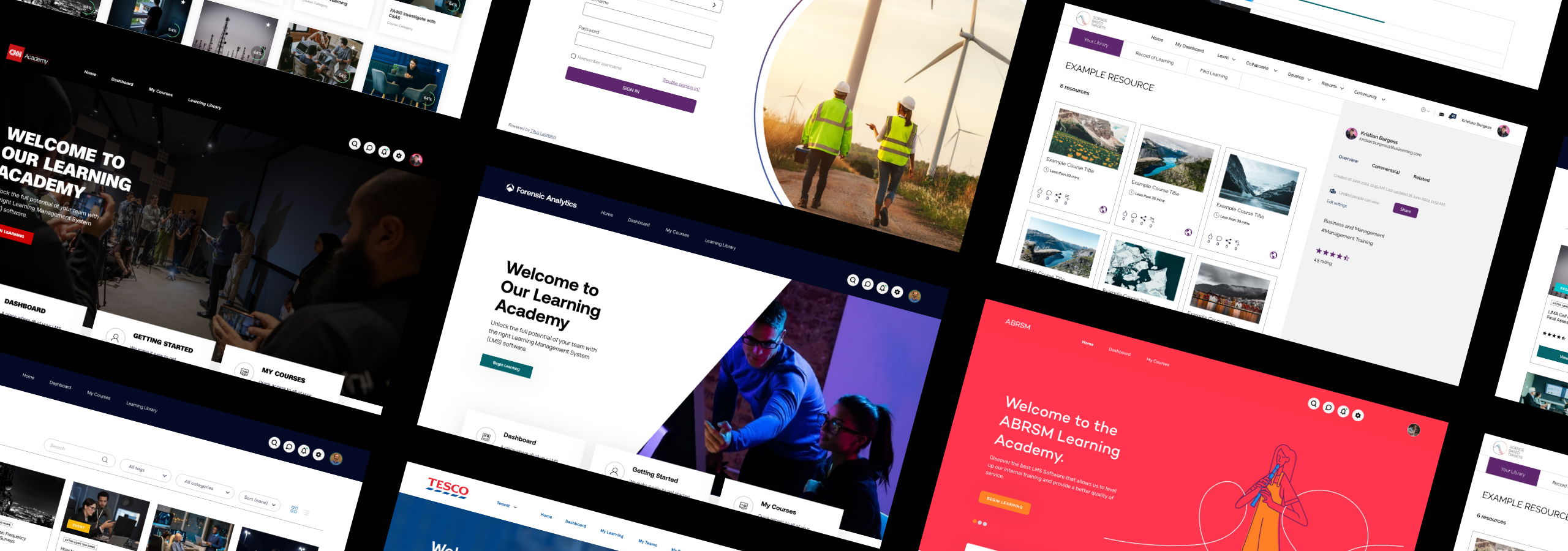
As an Instructional Designer, your biggest fear is being boxed in by a rigid system that turns learning into a chore. Moodle offers the widest creative “sandbox” in the industry. You aren’t restricted to just uploading a PDF or a basic video; you have access to a massive library of native activities – from interactive H5P content and branching scenarios to peer-review workshops and gamified quizzes.
This means you can build “high-fidelity” experiences that actually mirror the physical reality of the sport. More importantly, every single interaction within these activities feeds directly back into the system’s data engine.
You aren’t just seeing that a volunteer “finished” a course; you’re seeing exactly how they engaged with the material, giving you the insights needed to constantly refine the learning journey.
The Architecture of Growth: A Plugin Ecosystem that Scales
A Sporting Association is a living, breathing organisation. Your operational needs today will inevitably shift as new safety standards emerge or as your volunteer base expands into new disciplines.
Moodle is modular by design. With a global community of developers, there is a vast ecosystem of existing plugins that allow you to extend functionality without starting from scratch. Whether it’s integrating a custom bilingual toggle for regional requirements, connecting to a national membership database, or adding a sophisticated seminar booking tool for regional coaching clinics, you can “plug in” new capabilities as you grow.
Seamless Integration: Connecting the Sporting Ecosystem
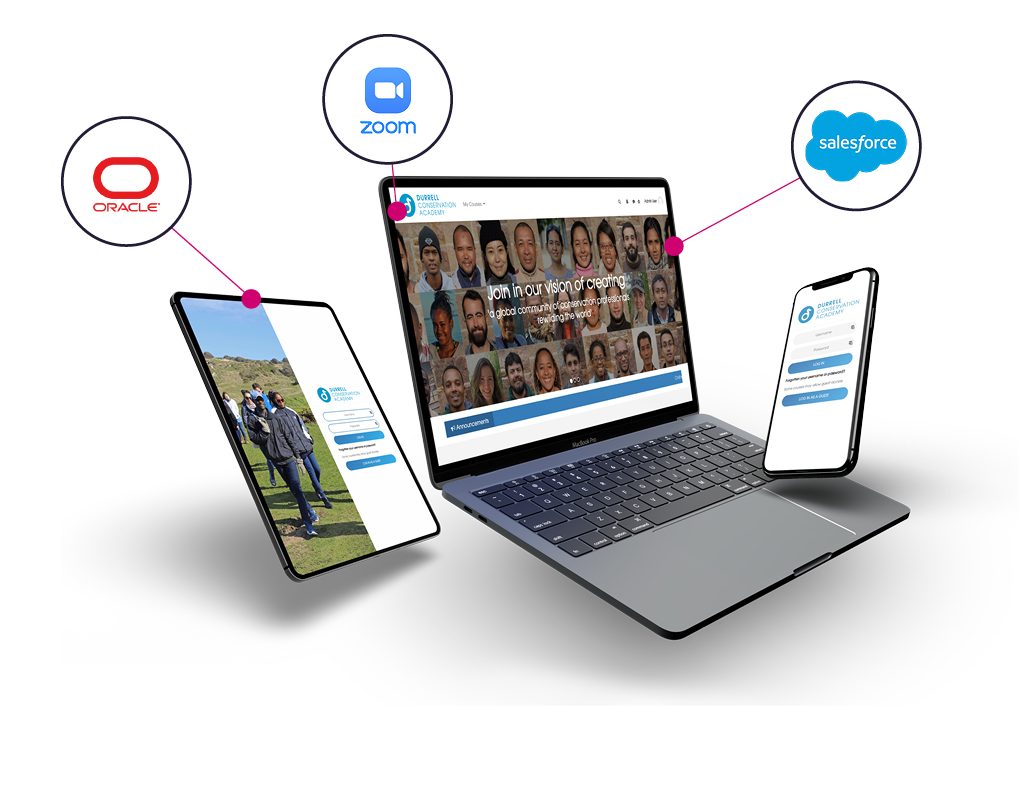
An LMS shouldn’t be an island. For a modern Sporting Association, the real power comes from connectivity. Titus provides an extension named “Titus Connect” which means it can “talk” to your existing membership databases, CRM, or even national coaching registers.
Instead of manually updating spreadsheets when a volunteer completes a course, the data flows automatically.
This “joined-up” approach ensures that when a club lead looks up a volunteer’s record in your central database, their training status is already live and verified. It turns your LMS from a standalone tool into the “Data Heart” of your organisation.
Moodle in Action Across the Sporting Landscape
I believe the best way to understand the flexibility of this approach is to see how it has been adapted for different sporting requirements. While every organisation uses the same core Moodle foundation, the “architectural focus” changes based on their specific goals.
How British Gymnastics transformed learning for 100,000+ members
British Gymnastics partnered with Titus to relaunch their eLearning platform, the BG Academy, as part of their Leap Without Limits strategy, focussed on providing an uplifting, safe, and inclusive gymnastics experience.
Read now
A Platform That Respects the Game
Choosing an LMS isn’t just a technical decision; it’s a commitment to your volunteers’ time and your association’s future. By choosing Moodle, Sporting Associations are choosing a platform that respects their budget, empowers their designers, and provides the scalability to grow alongside the sport.